
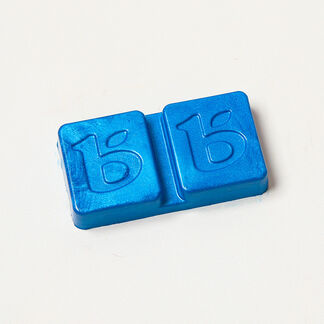
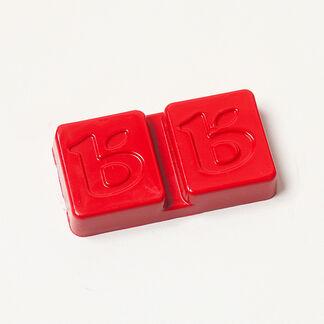
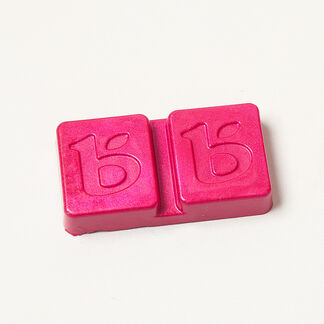
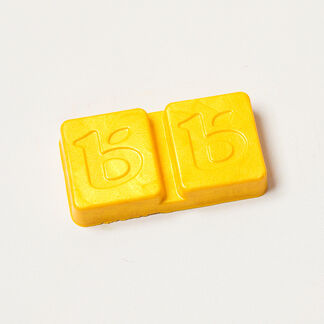

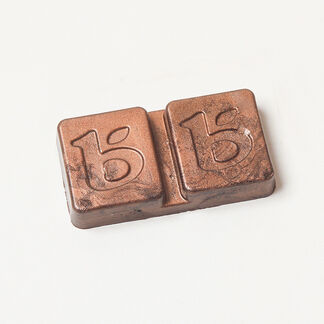
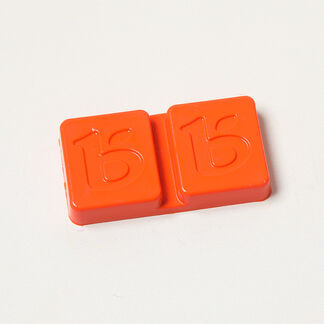
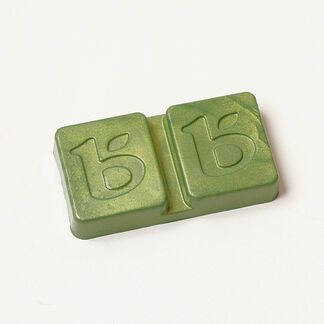
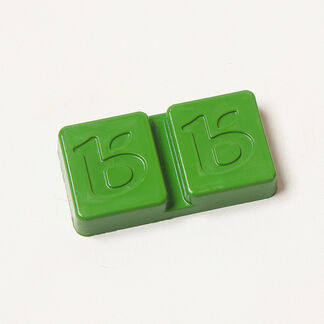
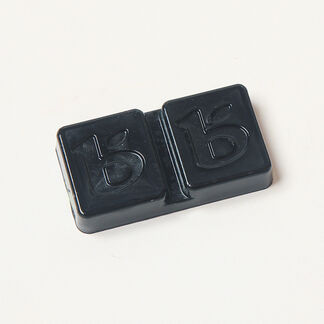
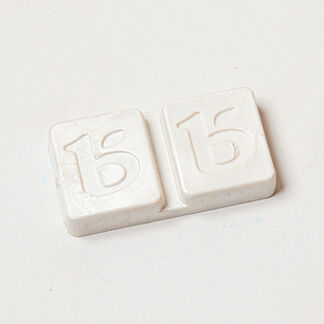
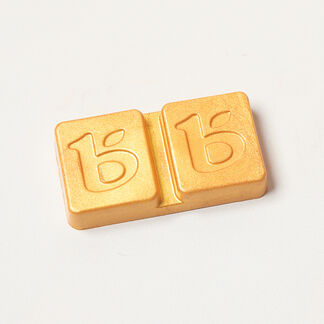
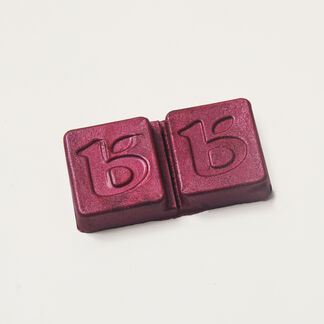
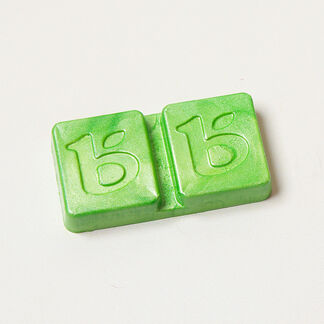
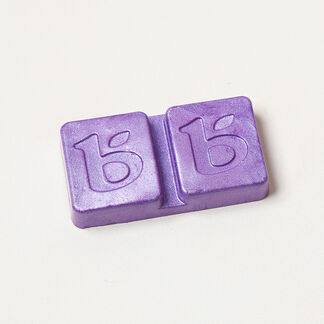
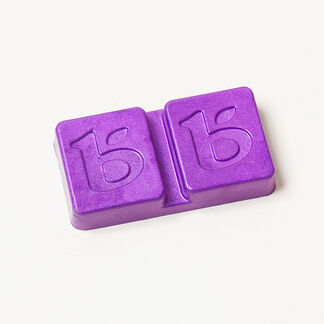
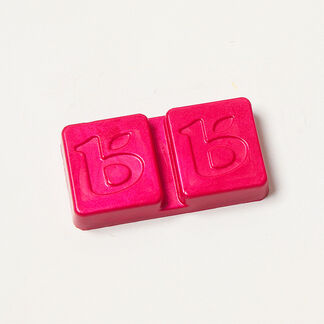
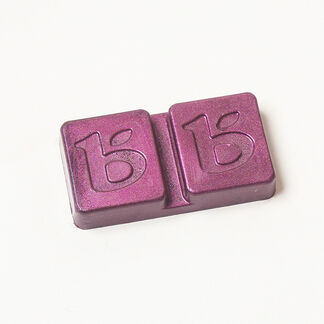
Color blocks are the simplest way to add reliable, consistent color to melt-and-pour soap. Each block is made in-house at Bramble Berry with the colorant already blended in. You shave the block directly into your melted base and stir until the shade is exactly how you want it. The color you see in the block is the color you get in the finished bar, no streaks, no clumps, no guessing.
Different Types of Color Blocks for Soap Making
- Natural Color Blocks: Made with clays, activated charcoal, minerals, and other plant-derived ingredients. These produce earthy, muted tones. If this approach fits your practice, our natural colorants collection offers a full range of natural hues.
- Mica and Oxide Color Blocks: Made with micas and non-bleeding oxides. These produce brighter, more saturated colors with strong stability in soap. If you want bold, vivid bars, start here.
Mixing Custom Shades With Soap Color Blocks
You can mix any color blocks together to build custom shades. Add shavings in small amounts until you reach the depth of color you want. Because color blocks are highly concentrated, a small amount goes further than you might expect.
Start with 0.1 ounce of color block per pound of soap base. That starting point will give you a light-to-medium shade in a clear base. For deeper color, add more in small increments.
Base type matters more than most makers expect. In a clear melt-and-pour base, your color will appear vibrant and saturated. In a white base, the same amount of color block will produce a pastel tone. Red in a clear base reads as red. Red in white base reads as pink.
Bramble Berry color blocks are formulated to stay true. What you mix is what you get. That said, vanillin is the natural compound found in vanilla fragrance oils, and it can shift the color of any soap over time, regardless of which soap colorants you use. This is a completely natural process, and it does not affect the quality of your bar. Many makers plan their designs around it. Shades of brown, tan, and warm cream all work beautifully with vanilla fragrances and lean into the shift rather than fighting it. Another approach is to add the vanilla fragrance to only one portion of the batch so that just one section appears browned, leaving the rest of your design intact. If you are working with melt-and-pour specifically, Vanilla Color Stabilizer, used at a 1:1 ratio with the fragrance, can help prevent discoloration.
For small batches, shaving directly into the melt-and-pour base is the easiest method. For larger or repeated batches, weigh your color block pieces for consistent results from pour to pour. If you are still building out your workspace, browse our full range of soap making supplies to find everything you need alongside your colorants.
Do color blocks work in a white melt-and-pour base as well as clear?
Yes, they work in both. Keep in mind that the white base contains titanium dioxide, which mutes pigment, so your finished color will be noticeably softer and more pastel than the block itself suggests. Many makers choose a white base intentionally to design their pastel soap collection.
How much color block do I need per pound of soap base?
Start with 0.1 ounce per pound of clear base and adjust from there. For white base, expect to use more colorant to reach the same depth of color, since the opacity of the base tends to mute color tones.
Can my soap color change after I unmold it?
Yes, if your fragrance oil contains vanillin. Vanillin oxidizes when it comes in contact with air and can shift any lighter-colored soap toward tan or brown over time. The color will shift on the outside of the bar first, and then slowly move inward. Choosing a fragrance with lower vanillin content helps to keep the color stable. You can also use Vanilla Color Stabilizer in melt and pour soaps to help prevent discoloration.
Additionally, some colorants can fade when exposed to sunlight, so what you see initially may not be the final result. Water-based food dyes, in particular, are not very colorfast.