









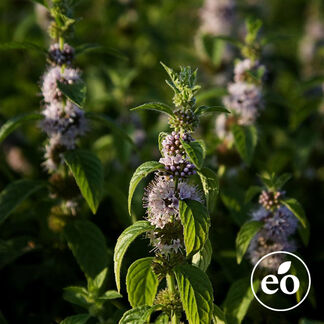





Essential oils used in skincare and lotion need to be selected carefully and properly diluted to avoid irritating the skin. Because lotions and body butters are leave-on products, essential oils should be kept at lower usage rates and blended thoroughly. Bramble Berry’s fragrance and essential oil calculator can help verify safe usage levels based on the specific oil and product type. Different essential oils vary in potency, which means some only require a small amount for a noticeable scent. Patch testing finished lotions or body butters before regular use is a helpful step, especially when working with new essential oils or blends.
Essential oils are usually added toward the end of the lotion-making process, once the mixture has come together and started to cool. At this stage, the lotion is still fluid enough to mix, but not hot enough to affect the scent. Adding essential oils while the lotion is too warm can cause some of the aroma to fade, while waiting too long can make it difficult to mix evenly.
Best Carrier Oils for Lotion Making:
- Jojoba Oil
- Sweet Almond Oil
- Argan Oil
- Olive Oil
- Apricot Kernel Oil
When choosing essential oils for body butter, focus on options that are commonly selected for leave-on body care and known to perform well in emulsions. Some essential oils are much stronger than others and should be used with extra care in body butters and lotions. Oils like cinnamon, ylang ylang, mint, and cloves can be irritating and should be used sparingly. Keeping these oils at lower usage rates helps reduce the chance of skin sensitivity while still contributing to a balanced scent.
Best Essential Oils for Body Butter:
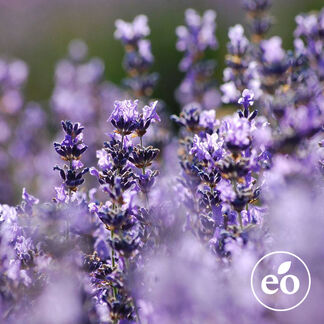
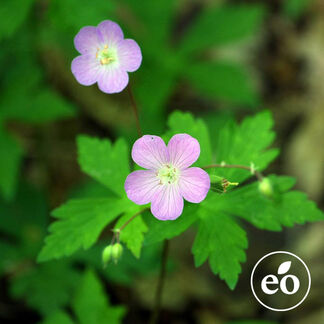
- Lavender Essential Oil
- Orange Essential Oil
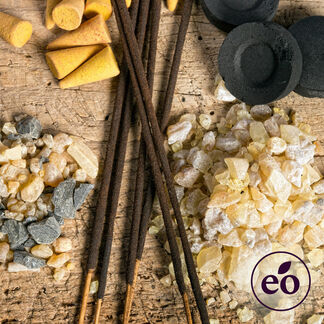
- Frankincense Essential Oil
- Geranium Essential Oil
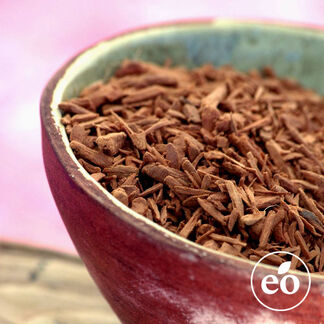
- Cedarwood Essential Oil
These essential oils can be used on their own or blended together to create custom scents. Many makers start with one main essential oil and add smaller amounts of complementary oils to build depth and balance. Testing blends in small batches makes it easier to adjust the scent before committing to a full lotion or body butter recipe, especially when working with stronger essential oils.
What is an emulsifier?
An emulsifier is an ingredient that helps oil and water combine into a stable mixture so lotions stay smooth and do not separate over time. The right emulsifier depends on the type of lotion you want to make. Emulsifying wax (E-Wax or Polawax) is the easiest option for beginners and works well for standard lotions. BTMS-50 creates a silkier, more conditioned feel, while Bio-Mulsion Wax is a plant-based option that is great for those with sensitive skin.
Do essential oils affect the texture of lotion?
When used at appropriate usage rates, essential oils should not noticeably change the texture of a lotion. Texture issues are more often related to formulation, temperature, or mixing rather than the essential oils themselves. To help maintain a smooth texture, essential oils are added after the lotion has emulsified and begun to cool. Mixing at this stage, while the lotion is still fluid, helps ensure even distribution without affecting thickness or stability.
Why does my lotion smell weaker after it cools?
Essential oils often smell stronger while a lotion is warm because heat helps release aroma. As the lotion cools and sets, the scent usually softens and becomes more balanced. This is normal and does not mean the essential oils were used incorrectly. Adding essential oils after the lotion has emulsified and begun to cool helps preserve scent, while stirring thoroughly ensures even distribution. Letting the finished lotion rest for 24 hours before judging scent strength gives a more accurate sense of how it will smell during regular use.