









Color is where soap making comes to life. Every maker has a favorite way to add color, whether it’s the soft tone of rose clay or the rich depth of a blue mica. Whatever your style, the key is choosing a colorant that behaves predictably in your recipe. Bramble Berry colorants are tested for performance and clarity of tone, ensuring your final bars reflect the color you intended.
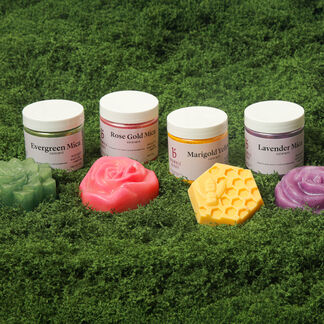
Micas are minerals formed when rocks are exposed to extreme heat and pressure. Mica powders can add a slight shimmer to your designs. Bramble Berry sources its micas ethically, working with trusted suppliers to ensure quality and responsible production. Micas are loved for the way they disperse smoothly in soap when mixed with a little lightweight oil, creating even color without clumps or streaks.
If you prefer a grounded, minimal palette, then natural colorants are a great choice. These ingredients come directly from the earth. Their muted tones pair beautifully with our natural additives, giving your soap an authentic, handmade feel.
Pigments are made from stable, oxidized minerals like iron and titanium. They create rich, solid shades that don’t fade or morph during the soapmaking process. Because they hold their shape so well, pigments are ideal for layered or detailed designs that rely on clean, defined lines.
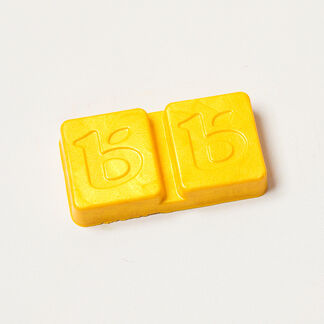
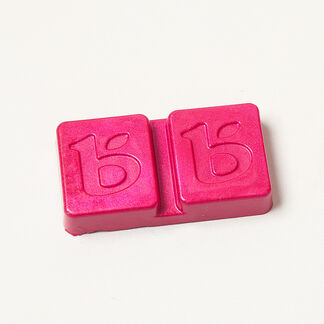
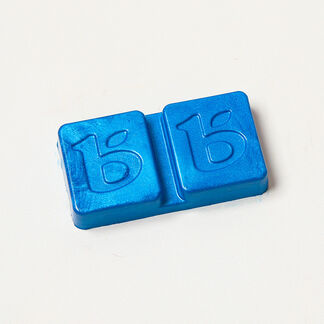
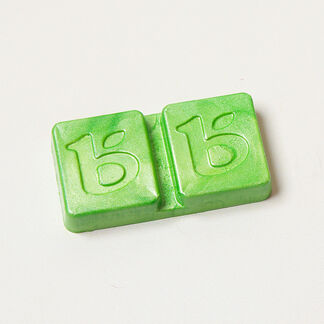
Color blocks make coloring melt and pour soap easy. Just shave a small piece, melt it into your base, and stir until the color is fully blended. They’re clean, consistent, and beginner-friendly.
Tips for Adding Colorants when Soap Making
- Disperse powdered colorants in oil or alcohol before adding them to soap for a smooth, even blend.
- Start small. You can always add more color, but it’s harder to correct an overly strong shade.
- Keep track of your color ratios so you can repeat your favorite looks.
- Test new colorants in small batches before moving to larger production runs to make sure you love the results.
- Store colorants in a cool, dry place to help them maintain their quality over time.
Every maker brings a unique approach to color. These colorants give you the flexibility to match your materials to your own creative vision. From soft earth tones to bright, modern hues, each one helps your soap reflect your personal style.
How do I use color blocks in melt and pour soap?
Color blocks are one of the easiest ways to add color to melt and pour soap. Just shave off a small piece of the block into your melted base and stir until the color is fully incorporated. The color block is already blended with mica or pigment, so there is no need to disperse powders first. Start with a small amount, then add more until you reach the shade you want. A little goes a long way, and it helps to stir thoroughly for an even tone throughout the bar.
Can I mix different types of colorants in the same batch of soap?
Yes, you can mix micas, pigments, and natural colorants together to create custom shades. Each colorant behaves a little differently, so take note of how they perform in your specific recipe. Micas add shimmer, pigments bring strong opaque color, and natural colorants produce subtle tones. Try testing your blend in a small batch first to see how they interact before using it in a larger recipe.
What happens if I use too much or too little colorant in my soap?
If you add too much colorant and notice it before pouring, you can mix in more uncolored soap batter to lighten the shade. Once the soap starts to set, it is best to leave it as is because extra mixing can affect the texture. The easiest way to get the right look is to start with a small amount of colorant and add more slowly until you reach the tone you want. If you add too much colorant, the soap is still safe to use, but it may stain washcloths or appear darker than expected once cured.