Lye Safety Guide
Many beginners are surprised to learn that lye is necessary to make soap at home. The thought of working with a caustic substance can be intimidating, especially if you've never done it before.
We're here to tell you - the results are definitely worth it! Handmade soap feels amazing on the skin, and lye is safe to work with when handled properly. Learn how below.

Find soap making supplies here
What is lye?
Sodium hydroxide lye is an inorganic compound commonly found in drain cleaners. It's highly caustic and can burn the skin. Lye comes in various forms, such as flakes, pellets, and powder. Ours comes in flake form, which makes it easy to measure and also prevents static cling.
When lye comes in contact with oils, it causes a chemical reaction called saponification. After a few days, all the lye is turned into soap and safe to use on the skin.
To get started, the lye needs to be mixed with a liquid like distilled water. As it dissolves, it has an exothermic reaction that causes a dramatic temperature increase. Lye in room temperature water can reach up to 200° F. The mixture also creates fumes, which should not be inhaled.
Once it's cool, the lye solution is poured into oils and stick blended. Saponification will begin right away.
Here's what you need to know to use lye safely:

1.) Always wear full protective equipment
Use chemical-resistant gloves (nitrile or rubber), safety goggles or face shield, long sleeves, long pants, and closed-toe shoes. Lye can cause severe chemical burns on contact with skin and permanent eye damage.
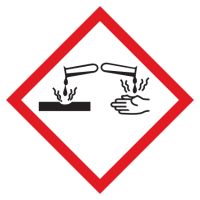
2.) Be cautious of what containers to use with lye.
Lye will react with aluminum, tin, and other metals, potentially creating dangerous chemical reactions. Avoid using containers that could crack from the heat generated during mixing. Use only stainless steel, heat-resistant glass, or heavy plastic containers.
3.) Always add lye to water, never water to lye
Slowly add the lye to the water, NEVER the other way around. That can cause the lye to erupt out of the container.
4.) Work in a well-ventilated area
Mixing lye with water produces toxic fumes that can burn your respiratory system. Work near an open window with good airflow, and avoid breathing directly over the mixture.

5.) Keep children and pets away
Lye is extremely dangerous if accidentally ingested or touched. Secure your workspace and store lye in clearly labeled, locked containers out of reach of children and animals.
6.) Store and dispose of lye safely
Store unused lye in its original container, clearly labeled, in a cool, dry place. Never pour down drains or throw in trash—contact your local hazardous waste facility for disposal. Neutralize leftover lye solution before disposing.
What to do if lye touches you
According the sodium hydroxide Material Safety Data Sheet (MSDS), first remove any contaminated clothing. Rinse the affected area immediately with plenty of water for at least 15 minutes and seek medical attention if necessary. Make sure to wash the contaminated clothes before you wear them again.
If it comes in contact with your eyes, rinse for a few minutes and then remove contact lenses if you wear them. Continue rinsing for 15 minutes and then get medical attention.
If the fumes are irritating you, move to an area with fresh air.
We don't recommend using vinegar. The thought is vinegar (an acid) on lye (a base) neutralizes it. However, it can actually create a chemical reaction that releases more heat and causes pain. Just use water as the MSDS sheet suggests.
Make sure to keep your safety gear on throughout the whole process, and even during cleanup. As the lye reacts with the oils it isn't as caustic, but it can still irritate your skin. Follow the same procedures above if you come in contact with fresh soap.
Cleaning up
Remember to keep your safety gear on! Wipe out any excess soap with a paper towel. Wash your dishes with hot water and a grease-cutting dish soap. While we don't recommend vinegar on the skin, it is great for cleaup. You can wipe your workspace to neutralize any lye dust that may have gotten on the surface.
Another option is to place all the dishes in a safe space for a few days. In that time, the leftovers will turn into soap. You can scrape them off and then wash like normal.
As you continue to work with lye, you will become more comfortable. Now, let's get started!
Find more beginner resources on soap making here and find cold process soap making projects here.

Shop This Article


Soap Cold Process Beginner Tags: