DIY Laundry Detergent: Recipes That Actually Work
Highlights
-
DIY laundry detergent uses three core ingredients: washing soda, baking soda or borax, and shredded soap
-
Keep your soap's superfat at 3% or lower for laundry use; higher superfats leave free oils that can go rancid on fabric over time
-
Three tested recipes cover light loads, heavy loads, and a smart way to use up an imperfect soap batch
-
Essential oils and fragrance oils both work for scenting; start at 1 mL per cup of powdered detergent and adjust up
-
Always run a small test batch with your specific washing machine and water type before committing to a full batch
-
Vinegar in the rinse compartment is optional, but helps with fabric softening and rinse performance
Why Make Your Own Laundry Detergent?
Making your own laundry detergent gives you control over what goes into every wash. You can choose your ingredients, skip synthetic fillers, and customize the scent to something you actually enjoy. The recipes below come from years of testing in the Bramble Berry lab, and they cover three different use cases so you can match the formula to your laundry.
One thing to know before you start: results will vary based on your washing machine type, water hardness, and the fabrics you're washing. We recommend starting with a small test batch to see how each recipe performs in your home before scaling up.
What Each Ingredient Does
Understanding your ingredients makes the process easier and helps you troubleshoot if something feels off.
-
Washing Soda (Sodium Carbonate): Acts as a water softener and stain remover. It raises the pH of the wash water, which helps soap clean more effectively. Best used in dry/powder recipes; it loses effectiveness quickly in water-based liquid mixes.
-
Baking Soda (Sodium Bicarbonate): Helps neutralize odors and freshen fabric. Its cleaning power is milder than washing soda, which makes it a good fit for lighter loads or delicates.
-
Borax: A cleaning and stain-removal booster that performs well in both hot and cold water. In liquid recipes, borax holds up better than washing soda over time.
-
Citric Acid: Breaks down enzymes in common stains and works as a natural stain remover. Great for heavy-duty loads.
-
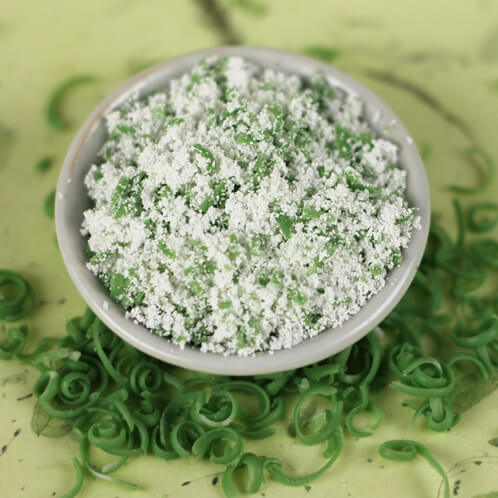
Shredded Soap: Adds cleaning power. Use soap with a superfat of 3% or lower. This is the detail most laundry soap guides skip entirely, but it matters. Free-floating oils left behind in higher-superfat soap can transfer to fabric, and over time those oils go rancid, leading to musty-smelling clothes. Soap made specifically for laundry, or a batch that came out lye-heavy, works perfectly here.
Three DIY Laundry Soap Recipes
Recipe 1: The Rescue Batch (For Soap That Didn't Turn Out Right)
If you've made a batch of Cold Process Soap Making Projects that came out lye-heavy or otherwise unusable for skin, don't throw it away. This is its second life.
-
1 cup shredded soap (lye-heavy or superfat 3% or below)
-
1 cup baking soda
-
1/2 cup washing soda
Mix thoroughly. Use 2 tablespoons per load. A meat grinder or box grater works well for shredding. Wear gloves if the soap is lye-heavy.
Recipe 2: Light Duty Formula (For Everyday Loads)
This recipe works well for finer fabrics, everyday clothing, and loads without heavy soil. It doesn't perform as strongly on bulky towels or heavily soiled items, but for regular use it's simple and reliable.
-
1 cup borax
-
1 cup baking soda
-
1 cup washing soda
-
1/4 cup castile liquid soap (from your Liquid Soap Making Supplies)
Mix the dry ingredients first, then stir in the castile soap until evenly combined. Use 2 tablespoons per load.
Recipe 3: Heavy Duty Formula (For Towels and Tough Stains)
When you need serious cleaning power, citric acid steps up. It targets enzyme-based stains and cuts through buildup on heavily used fabrics like towels and workout clothes.
-
1 cup washing soda
-
1 cup shredded soap (superfat 3% or below)
-
1/4 cup citric acid
-
1/2 cup white vinegar (added to the rinse compartment, not the detergent)
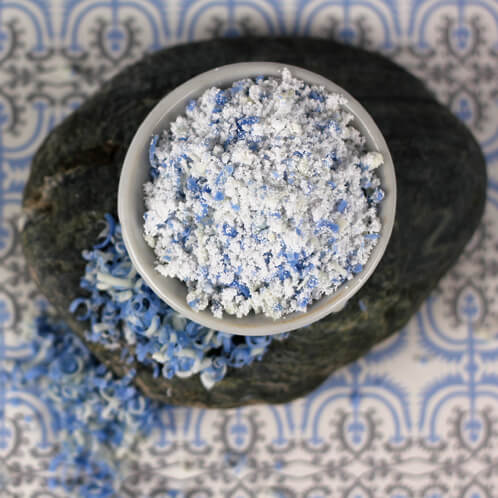
Mix the dry ingredients together. Use 2 tablespoons per load. Add the vinegar to the fabric softener compartment. Your laundry will not come out smelling like vinegar.
How to Scent Your DIY Laundry Detergent
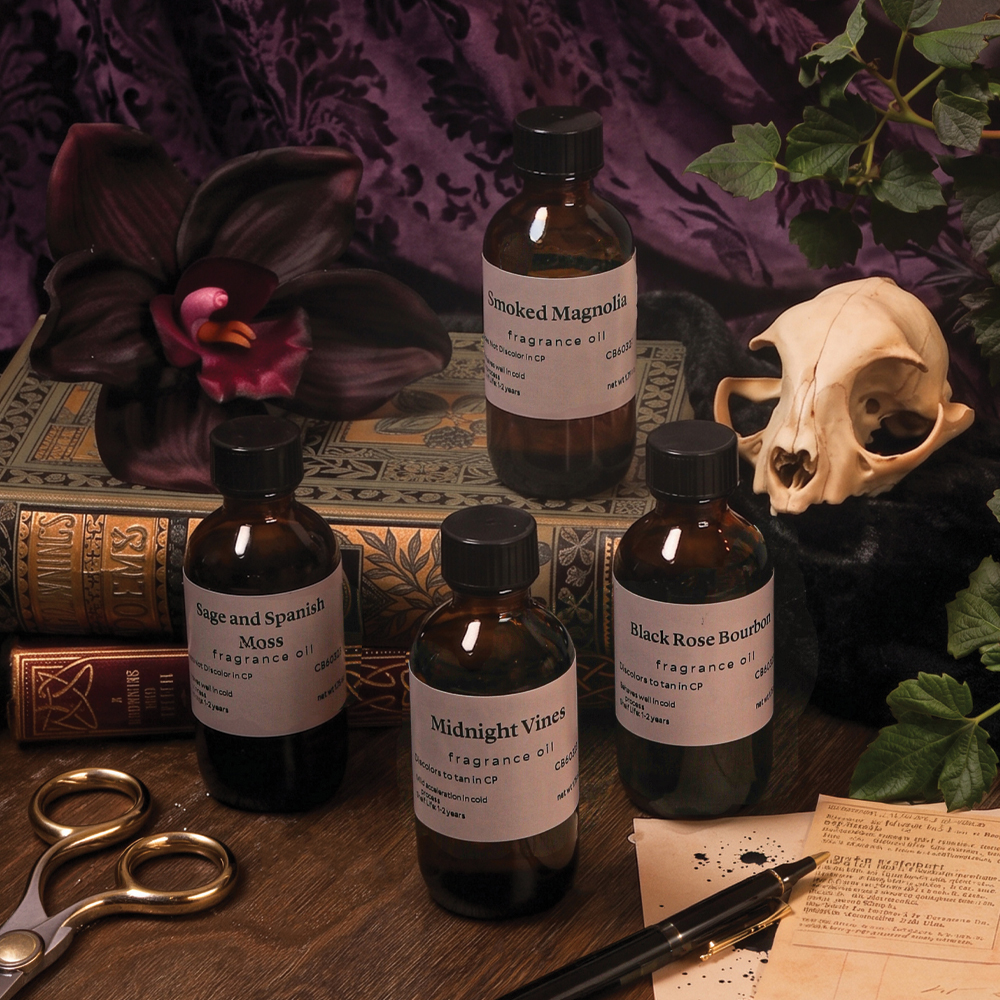
Once you've landed on a recipe you like, adding a scent is completely optional, but it makes the whole experience more enjoyable. Both essential oils and fragrance oils work. Start at 1 mL per cup of powdered detergent and increase from there based on how strong you want the scent to be. Keep in mind that scent fades with washing, so a slightly stronger starting point helps it last.
Here are a few blends that tested well in our lab:
-
1 part lavender + 2 parts lemon
-
4 parts lavender + 1 part Rosemary
-
4 parts lemon + 1 part eucalyptus
-
2 parts lavender + 1 part patchouli
-
4 parts orange + 1 part lime + 1 part fennel
If you prefer scents derived from botanicals and plant isolates, explore Natural Fragrance Oils for options that blend well with these kinds of DIY home products.
People Also Asked
Can I use any homemade soap in a DIY laundry detergent recipe?
You can use any cold process soap, but the superfat level matters more than most guides mention. Soap with a superfat above 3% contains free-floating oils that did not saponify during the curing process. In a body bar, those oils add a moisturizing feel. In laundry soap, they can transfer to fabric and go rancid over time, which leads to musty-smelling clothes even after washing. Keep the soap you use for laundry at a superfat of 3% or below. A batch that came out lye-heavy is actually ideal for this purpose.
Are these recipes safe for HE (high-efficiency) washing machines?
Yes, with a few adjustments. Use 1 tablespoon per load instead of 2, and make sure your finished soap doesn’t create lots of lather, as excess suds can build up in HE washers. Also, make sure there are no clumps, and if your recipe contains grated soap, it should be very finely grated so it dissolves completely. Coarser shreds can leave white residue on clothing, especially in cold water washes. If you're washing in cold water, pre-dissolve the powder in a small amount of hot water before adding it to the machine.
Shop This Article