How Does Lotion Work?
We know moisturizers work. Many of us have our favorites, and we experience the benefits when our skin is dry and irritated. But how do moisturizers work, and what should you look for in your store-bought lotions? What should you include when you make your own DIY lotions and moisturizers? Knowing how lotion works and what each ingredient does will help you make the best homemade lotion.
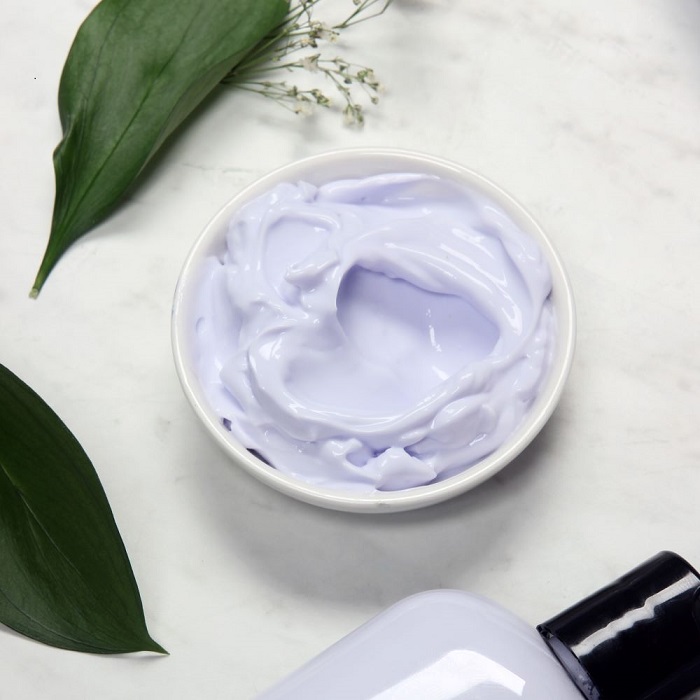
A little skin anatomy
Despite what some think (and claim), lotions and other moisturizers only treat the outer layer of skin. The outermost layer is called the “stratum corneum,” and it’s actually comprised of dead skin cells, with the spaces around them filled in with oily substances. We talk a lot about getting rid of dead skin, but the stratum corneum is still very important.
The stratum corneum functions as a barrier to keep unwanted substances and microorganisms out of the skin, and it’s a part of the process through which the skin sheds dead skin. This layer also helps prevent moisture loss.
Water is important
Most lotions are an emulsion of oils and water. Part of the way you keep your stratum corneum healthy is by making sure it’s hydrated, and unlike other layers of skin, it can’t be effectively moisturized by drinking water. It can soak up the water in your bath and the water in your lotion, though.
In fact, this layer of dead skin cells is fantastic at soaking up water. To keep skin feeling smooth and supple, this layer should be at least 10% water, but it’s better at 20% or even 30%. This layer of skin can absorb enough moisture to increase its volume three times. This increase in volume can also help reduce some types of lines and wrinkles.
You can also hydrate the stratum corneum by soaking in a warm bath.
Without water, the stratum corneum cannot shed skin cells normally. Dead skin can build up and become flaky and rough.
Aside from those cosmetic concerns, it’s also more likely to crack when dry, creating openings in the protective layer that can let infection in.
Oils and occlusives
But it’s not enough to just hydrate this layer of skin, especially if you live in an arid climate. You also want to apply something to keep the water from evaporating. These substances are called “occlusives,” because they block the water from leaving the skin.
Oils and butters are great
occlusives; they reduce air exposure and don’t naturally mix with water,
so they act as a seal.
Petrolatum and paraffins are also popular
occlusives. They’re usually placed high on the ingredients list on the
label because they make up a lot of the product; usually 3rd or
4th.
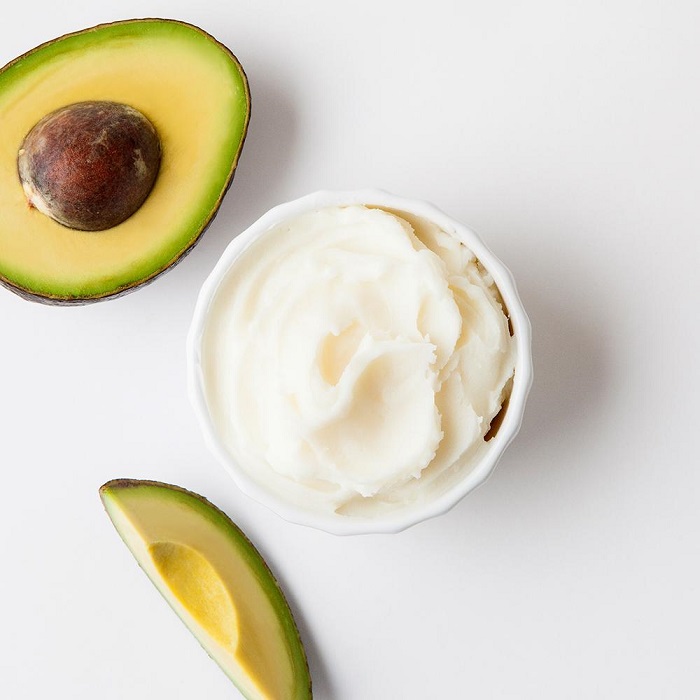
Body butters tend to be made up entirely of oils, which means that they can protect your skin, but can’t actually hydrate it. That’s why we use them after baths; to trap the absorbed water in that outer layer of skin.
Emollients
Emollients aren’t in moisturizers to moisturize. They’re really there to make your skin feel smooth. However, some ingredients used as emollients serve double duty as occlusives or humectants, so don’t discount them.
Humectants
Humectants
are ingredients that absorb water into the stratum corneum. They can pull in water
from deeper levels of skin, though, especially in arid climates or conditions. This
is why they need to be paired with occlusives, to prevent all that water from
leaving the skin entirely. It’s also why drinking enough water is
important in keeping your skin hydrated.
Some commonly used
humectants include glycerin, honey, and vitamin
B5.
Glycerin is a great humectant. It's a byproduct of the soap making process, so it can be derived from plants. It helps to pull moisture into your skin and works great in lotions and other skincare products.
Color and fragrance
These ingredients don’t help
moisturize or protect your skin, but they do help you enjoy your handmade
lotion.
There are a lot of options for adding color to
your lotions and body butters. Micas are beautiful and come in a wide range of
colors. They add a little shimmer to your product,
too.
Liquid Crystal Dyes are a concentrated dye, capable of producing vibrant colors. A little goes a long way. When adding to lotion, mix into the water phase of your recipe first. The dyes will incorporate better if the mixture is warm; this can help prevent speckling in your finished product.
There are also a lot of natural colorant options. From plant powders to clays, the colors range from the soft to the deep. We have natural or like-natural pigments that you can add. If you want to add a little sparkle, our fine EcoGlitter can be a fun addition.
For fragrance, we have both fragrance oils and essential oils for you to choose from. To make sure that your fragrance is skin-safe, we have a special collection of Fragrance Oils and Essential Oils for lotions and butters.

Preservatives in lotion
If you're making lotion that's part water, you'll need a preservative. The presence of water lets bacteria and other microbes grow, and your lotion can spoil and even grow mold.
Parabens are a group of chemicals that have been widely used as preservatives in cosmetics and body care products for decades. They're effective preservatives and are derived from petroleum. They're also colorless and odorless. Because some people have concerns about using parabens, we also offer a paraben-free preservative for use in your DIY projects.
Optiphen is a great preservative. It's paraben and formaldehyde free, works great in oil based products, and you only need a tiny amount; 0.3% to 1.5% by weight of your total recipe.
Specialized lotion ingredients
Sometimes there are some special ingredients added to lotion to address certain concerns.
- Retinoic acid (vitamin A) - topical retinoic acid is a form of vitamin A, and it can actually help address fine lines and wrinkles. The way it does this is by stimulating the production of collagen. This is why it’s the main active ingredient in prescription anti-wrinkle creams.
- Retinyl palmitate (vitamin A) - retinyl palmitate is a different form of vitamin A that doesn’t have the collagen producing effects of retinoic acid. Instead, there’s evidence that it may act as a humectant, drawing moisture into your skin.
- Ascorbic acid (vitamin C) - ascorbic acid is typically included in moisturizing products because of its antioxidant properties, and there’s scientific evidence that topical vitamin C has some benefits. Light and air destroy vitamin C, though, so those benefits may not be long lasting.
- Menthol Crystals - menthol added to lotion gives a cooling feeling. While it doesn’t treat the underlying cause of rashes, itchiness, and inflammation, the cooling sensation can provide some relief.
- Hyaluronic Acid - dry skin is actually a sign of aging skin. Aging skin loses its ability to retain moisture over time due to a decreased level of hyaluronic acid in your skin. That’s right; hyaluronic acid is a naturally occuring substance in your skin! Hyaluronic acid functions as a humectant, and it can also improve wrinkles and lines, and make your skin look and feel firmer.
Now you’re armed with a little bit of information on how lotion and other moisturizers work, what’s in them, and what ingredients to look for when you’re purchasing moisturizers. The best way to get exactly the moisturizer you need is always to make it yourself.
To get you started, check out this article: How to Formulate Lotion Recipes. We also have some wonderful lotion and butters projects if you want a little extra guidance.

Shop This Article


Bath and Body Tags: